Category: Field Journal

  • Still Slow at the Virginia Arboretum

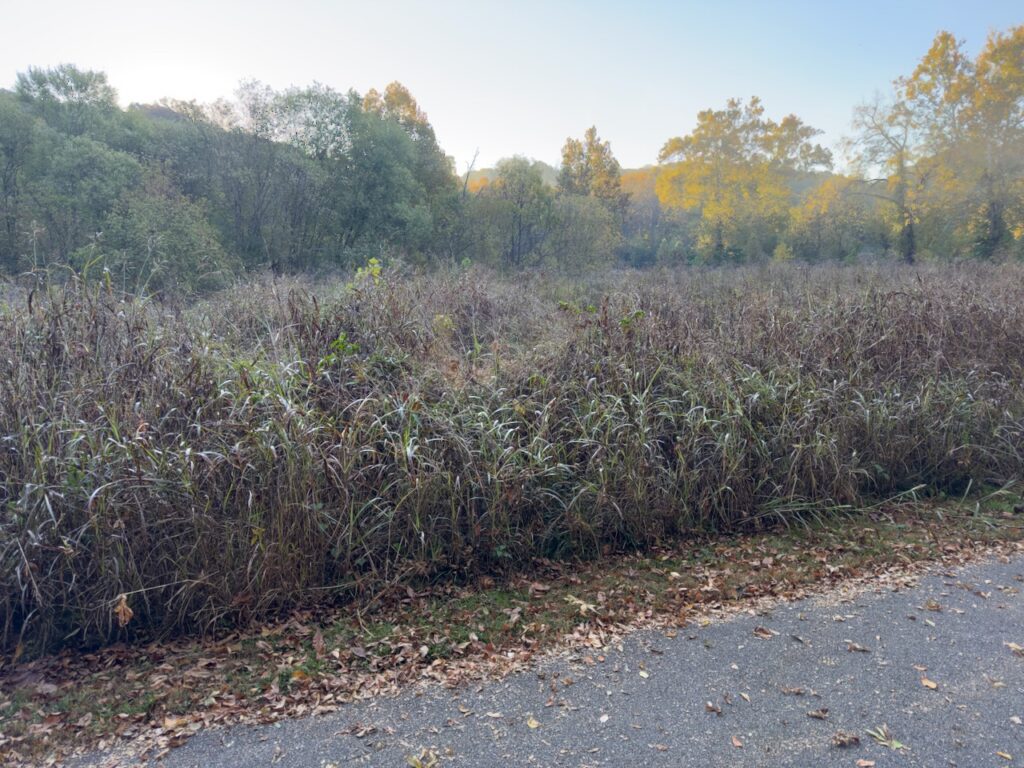
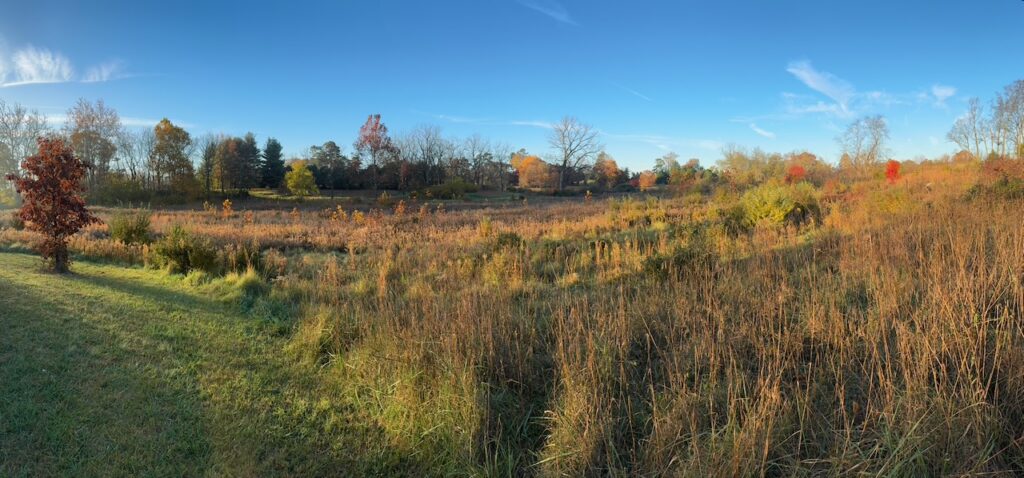
    I returned to the State Arboretum of Virginia at dawn to give the meadow another try. It was a crisp 48 degrees with mostly clear skies. This time, I skipped my usual spots and went straight to the meadow, standing quietly for 45 minutes. Bird activity was sparse compared with my first visit, and I took very few photographs. Walking around the meadow brought little improvement, but I’m not ready to give up on it. The mix of vegetation still looks promising, even if the birds haven’t cooperated lately. Below are a view of the meadow and one of the few bird photographs I made this morning.
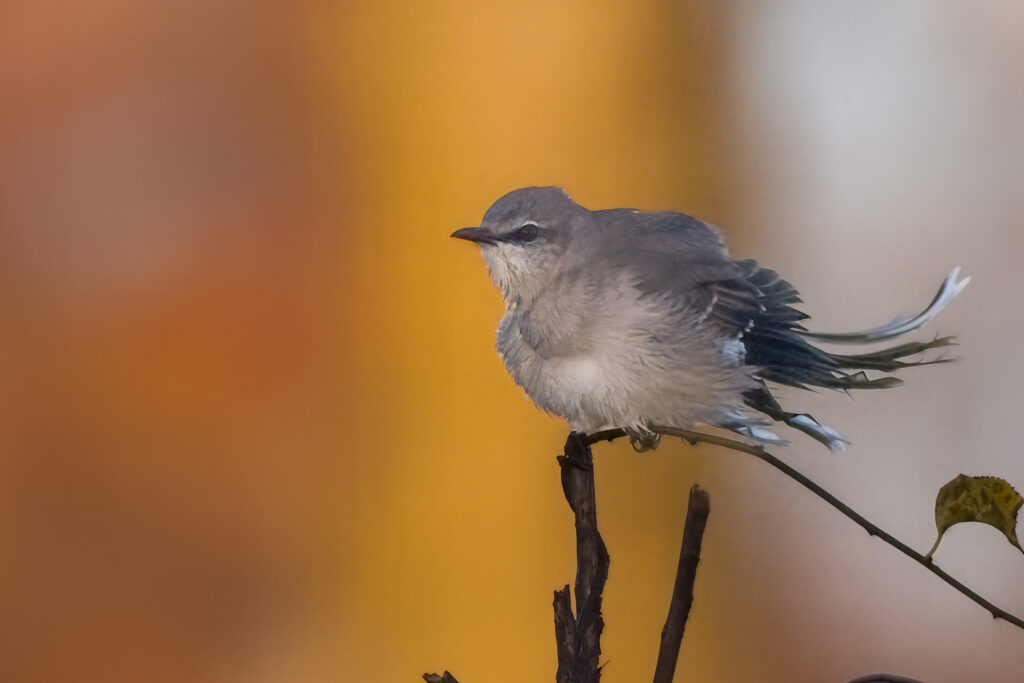
    Mockingbird at Virginia Arboretum
    Camera settings; 1/1250s at f/6.3, ISO 720, 0 EC
    Arboretum Meadow
    The meadow

  • An Early Start at Stauffer’s Marsh

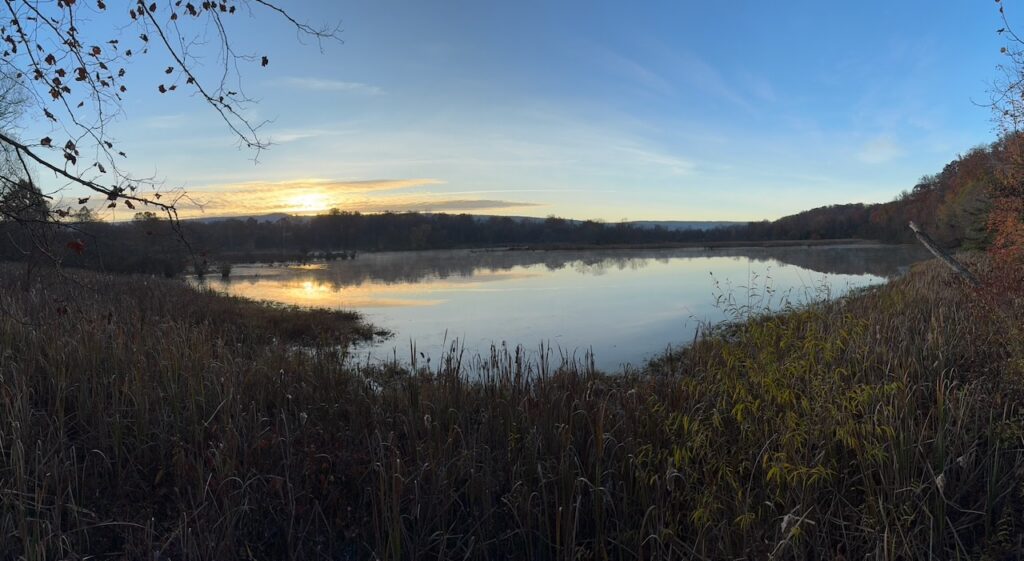
    This was my first bird photography outing since Sunday’s time change. Arriving just after sunrise meant getting up an hour earlier by the clock—not an easy adjustment. I also chose Stauffer’s Marsh, a 40-minute drive and the farthest of my regular spots. It was a quiet morning, yielding a few photographs of perched sparrows and cardinals. A Pileated Woodpecker made an appearance but stayed too far away for a good photograph. I also met a fellow birder carrying binoculars, a lawn chair, and a notebook for recording species. The photography was uneventful, but it was nice to meet someone who shared an appreciation for the birds. It’s peaceful by the pond. I stood there for a while and relaxed as the Canada Geese floated by.

    Overlooking the pond at Stauffer's Marsh.
  • State Arboretum of Virginia Part 2

    Friday was a bit disappointing. I went to the State Arboretum of Virginia for the second time in a week, which is unusual for me, but I was excited because I found a new meadow that really produced earlier in the week . I got my monopod out and stood by the meadow, and there was very little activity. I didn’t come away with even one good shot. I’ll try again later this week.

  • Bird Photography at Shannondale Springs

    Bird Photography at Shannondale Springs

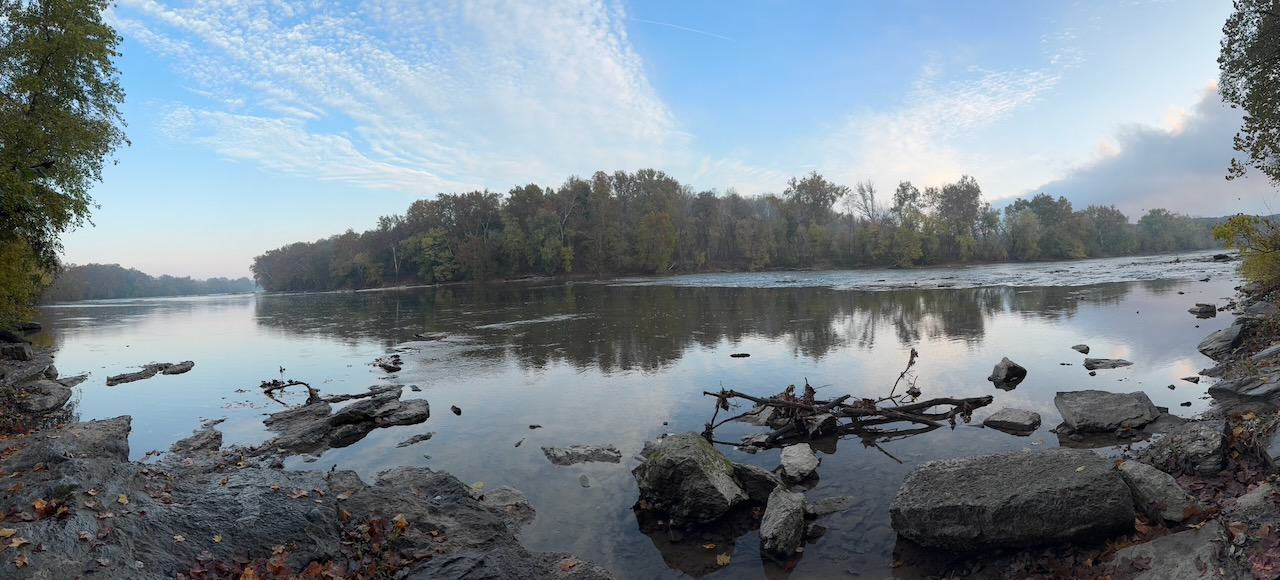
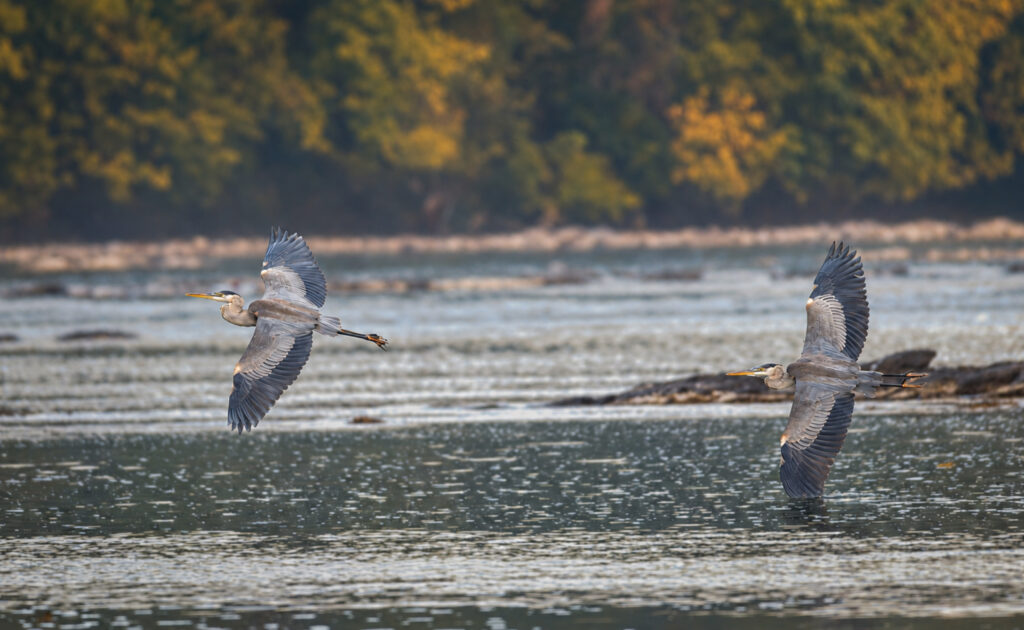
    I try to visit Shannondale Springs along the Shenandoah River at least once a week. Great Blue Herons, eagles, ducks, and the occasional kingfisher keep me coming back. This morning’s forecast called for overcast skies, but I was greeted by patches of sunshine. Fog along the drive had me wondering whether I’d be fogged out again, as I was last week, but the river was clear. I settled onto my favorite rock and waited. Two Great Blue Herons flying together gave me a few fun photographs, followed by a flock of ducks heading west along the river. It’s never a bad morning when I get to spend it sitting above the Shenandoah.

  • Discovered a New Hotspot at the Arboretum

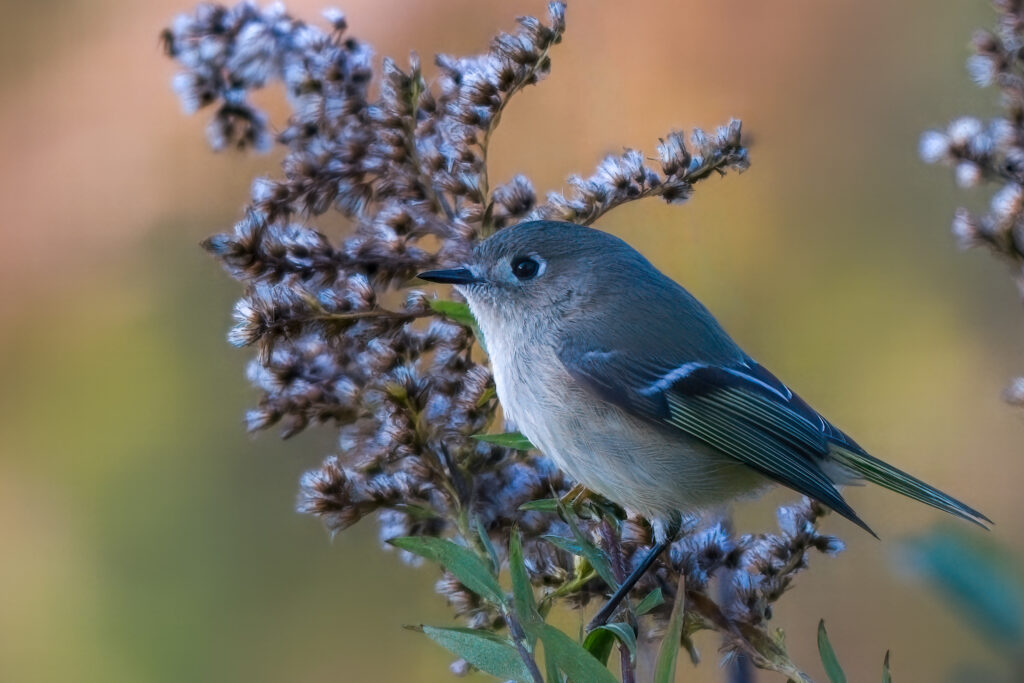
    I returned to the State Arboretum of Virginia this morning—the place I’ve called “Mockingbird Alley” in an earlier journal entry. At sunrise, I set up my monopod in my usual spot and waited. After 20 minutes, several mockingbirds perched high against the sky. I took a few photographs but kept only one. Half an hour into the outing, I moved to my next regular spot and found nothing. Rather than keep waiting, I explored more of the property and discovered a meadow where Ruby-crowned Kinglets and bluebirds perched on small trees and wildflowers. Not a mockingbird in sight! I spent half an hour photographing them and came away with several keepers. None made the portfolio, but I found a promising spot to revisit. Today’s lesson: familiar places still have something new to offer if I’m willing to explore.

    Ruby-Crowned Kinglet perched on wildflower
    Ruby-Crowned Kinglet – Camera Settings: 1/3200s at f/6.3, 600 mm, ISO 4,000, 0 EC
  • Shenandoah University River Campus

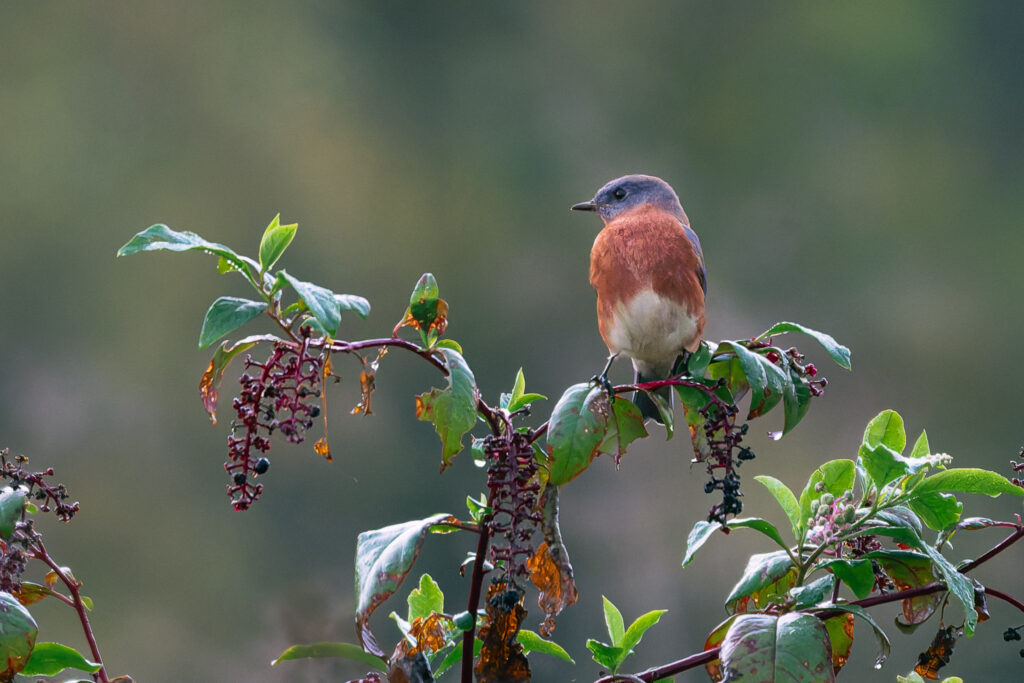
    I arrived at Shenandoah University River Campus in the western part of Virginia at 7:30 this morning, right at sunrise, although the sun wouldn’t clear the eastern mountain until 8. It was a brisk 40 degrees, and my thin wool gloves made working the controls on my Nikon Z8 awkward but manageable, much like my recent outing at Stauffer’s Marsh. The campus sits along the Shenandoah River, but today I focused on the meadows. There was plenty of bird activity, though the birds kept frustrating me by diving into the undergrowth. I missed a shot of a Great Blue Heron flying overhead. I failed to increase my exposure compensation fast enough to expose for the bird and not the sky. I didn’t take my own advice. With some patience, I managed a few nice bluebird photographs.

    The meadow. Plenty of undergrowth for the birds to hide.
    I managed this shot of a Bluebird. Camera Settings: 1/1000s @f/6.3, 600mm, ISO 10000, 0 EC
  • Fogged Out!

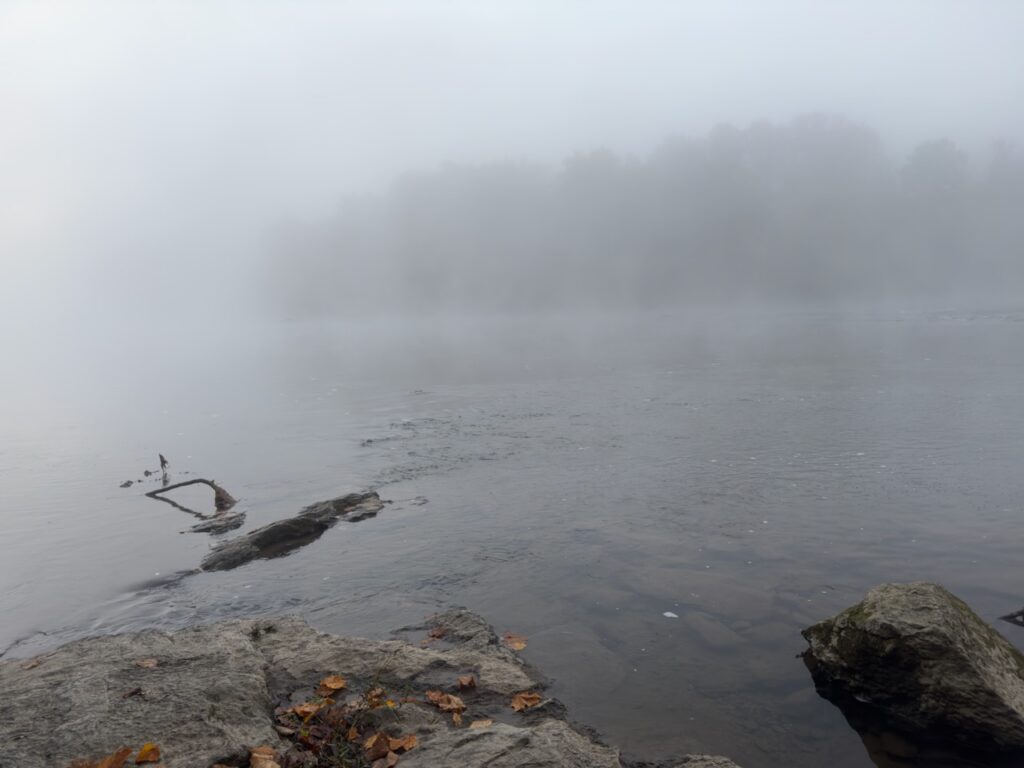
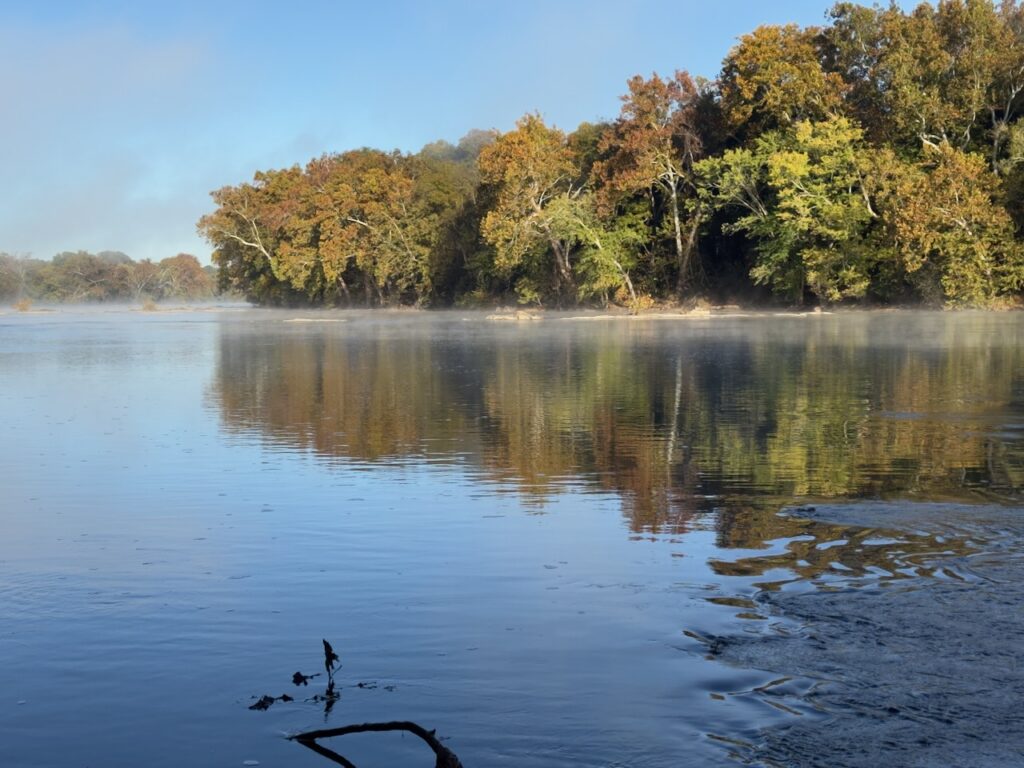
    I arrived at Shannondale Springs Wildlife Management Area at 7:30 this morning, right at sunrise. It was a brisk 40 degrees, and thick fog covered the river, limiting clear visibility to about 10 feet. I should have anticipated it—cold air over relatively warm water can create these conditions. I decided to wait for the sun to clear the fog, although the mountain east of the river keeps it out of view until around 8. By 9, the fog had lifted, but I was uncomfortably cold, especially my feet. I gave it another half hour, hoping for some bird activity, then packed up without a photograph. Some mornings offer more waiting than opportunities. Thankfully, they’ve been few and far between.

    Fog over the Shenandoah River.
    Foggy condition at 7:30 AM
    the fog has cleared from the river
    Cleared off by 9 AM
  • A Meadow Surprise and a Missed Kingfisher

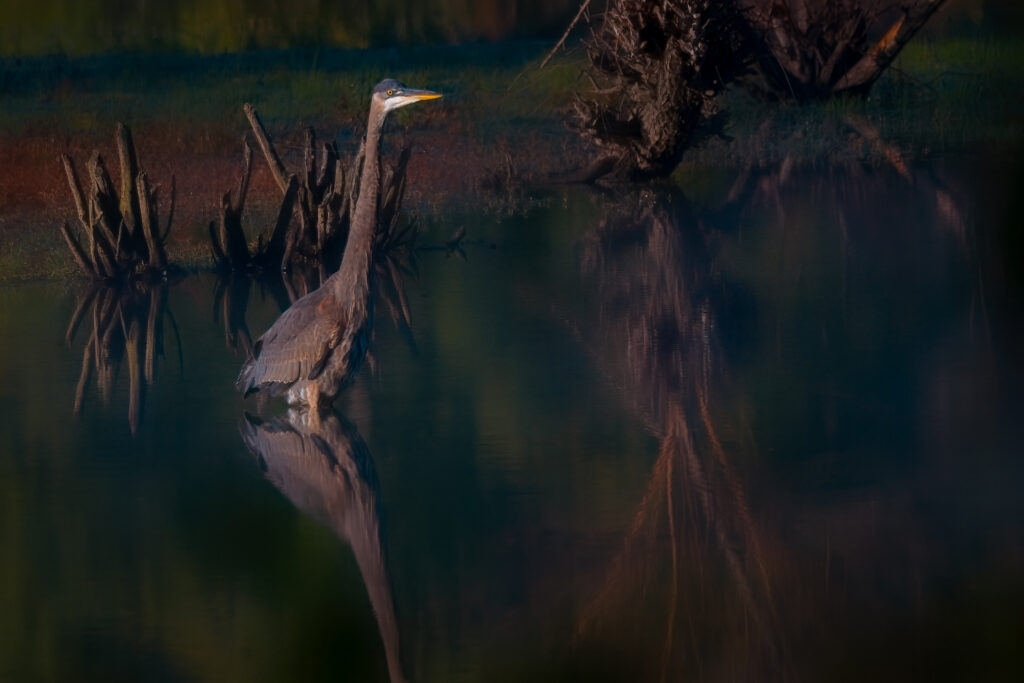
    I arrived at Stauffer’s Marsh just after sunrise, later than my usual dawn start after underestimating the 40-minute drive. It was a brisk 38 degrees under clear skies, with fog covering the pond. Two Great Blue Herons flew past the western overlook, but at 1/800s my Auto ISO hit its 12,800 ceiling, leaving the birds too dark despite positive exposure compensation. Then a splash caught my attention: a kingfisher emerged from the water and perched nearby. In my excitement, I forgot to reduce exposure compensation and overexposed the shot. There were Canada Geese floating in the fog. I made a couple of nice shots of them. The meadow, usually unproductive for me, offered a welcome surprise—several birds perched in view, and this time I got the exposures right. Farther along, the usual Gray Catbirds were absent from the thickets; perhaps they’d moved south. At the pond’s eastern edge, a Great Blue Heron stood above a beautiful reflection, growing comfortable with my presence after an initially nervous greeting. I left pleased with the meadow, but still replaying that kingfisher opportunity.

    Camera settings: 1/4000s at f6.3, 320mm, ISO 450, 0 EC
  • A Morning in Mockingbird Alley

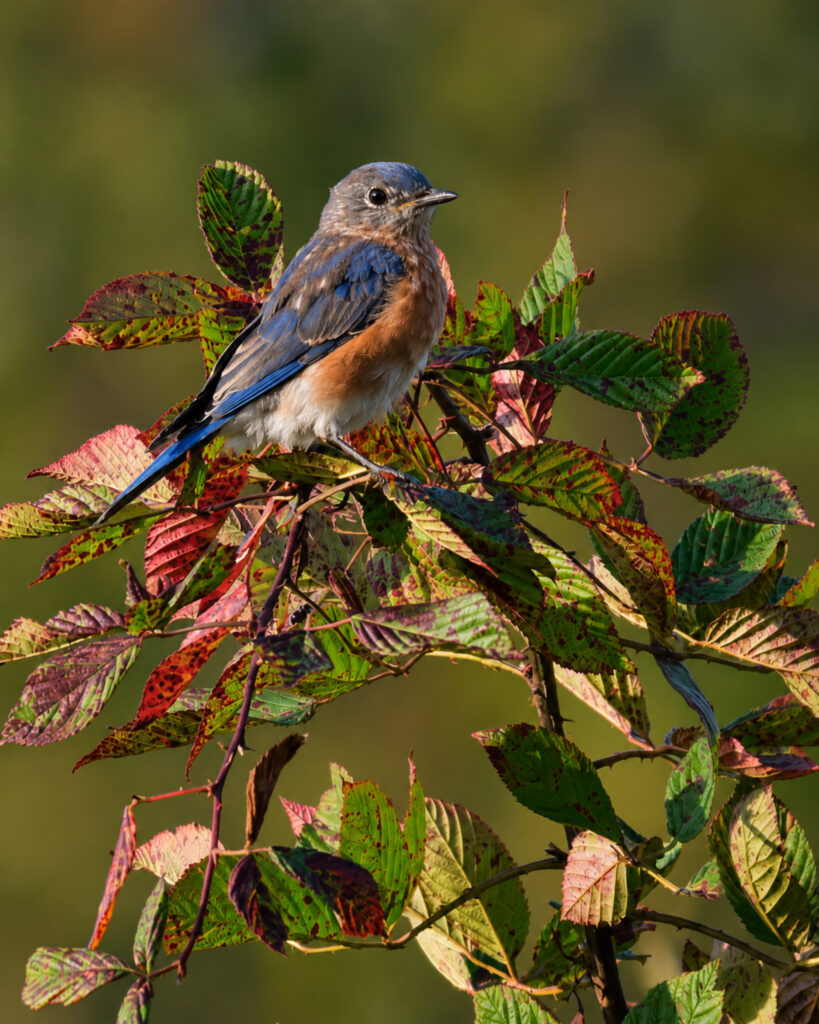
    Yesterday morning’s forecast called for rain. I decided I would do a little bird photography anyway, getting up before sunrise to visit the State Arboretum of Virginia in Boyce, Virginia. It turned out to be a beautiful morning. The Arboretum is one of four birding spots I visit regularly, and I call it “Mockingbird Alley” because there are so many mockingbirds. As expected, I came home with plenty of mockingbird photos, along with a decent bluebird photograph and a couple of keepers overall. The nice thing about returning to a familiar place is learning where to find the birds—and I’m convinced they’re getting used to me, too.

    Eastern Bluebird perched among reddish bramble leaves at the State Arboretum of Virginia.

  • High Water on the Shenandoah

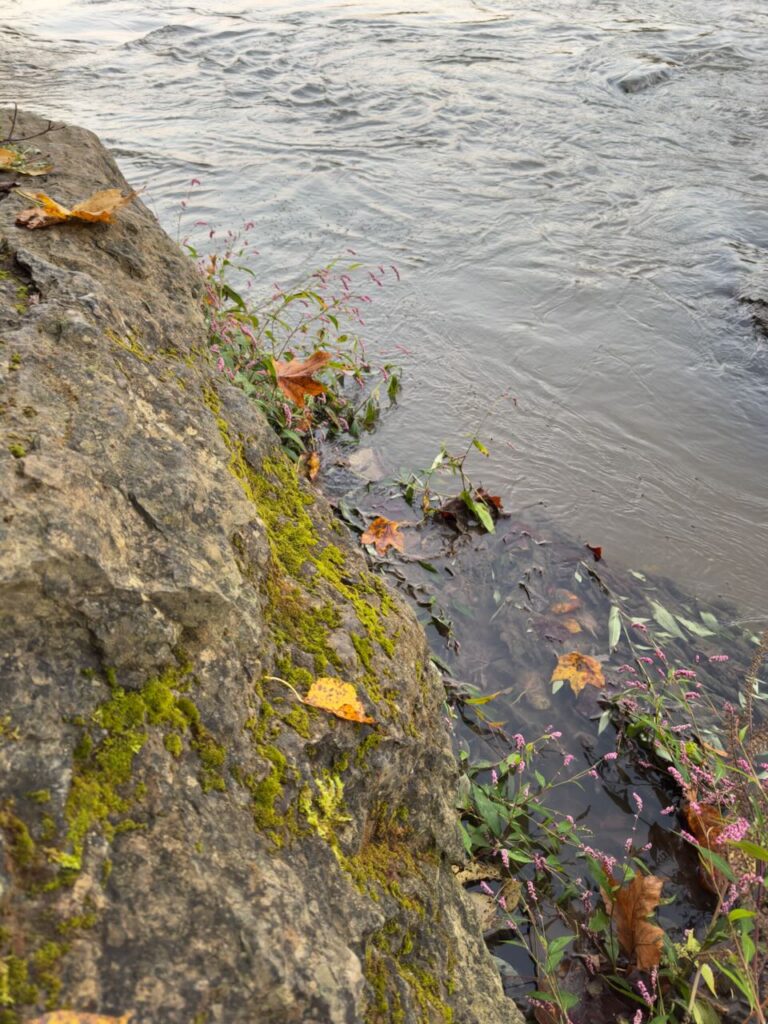
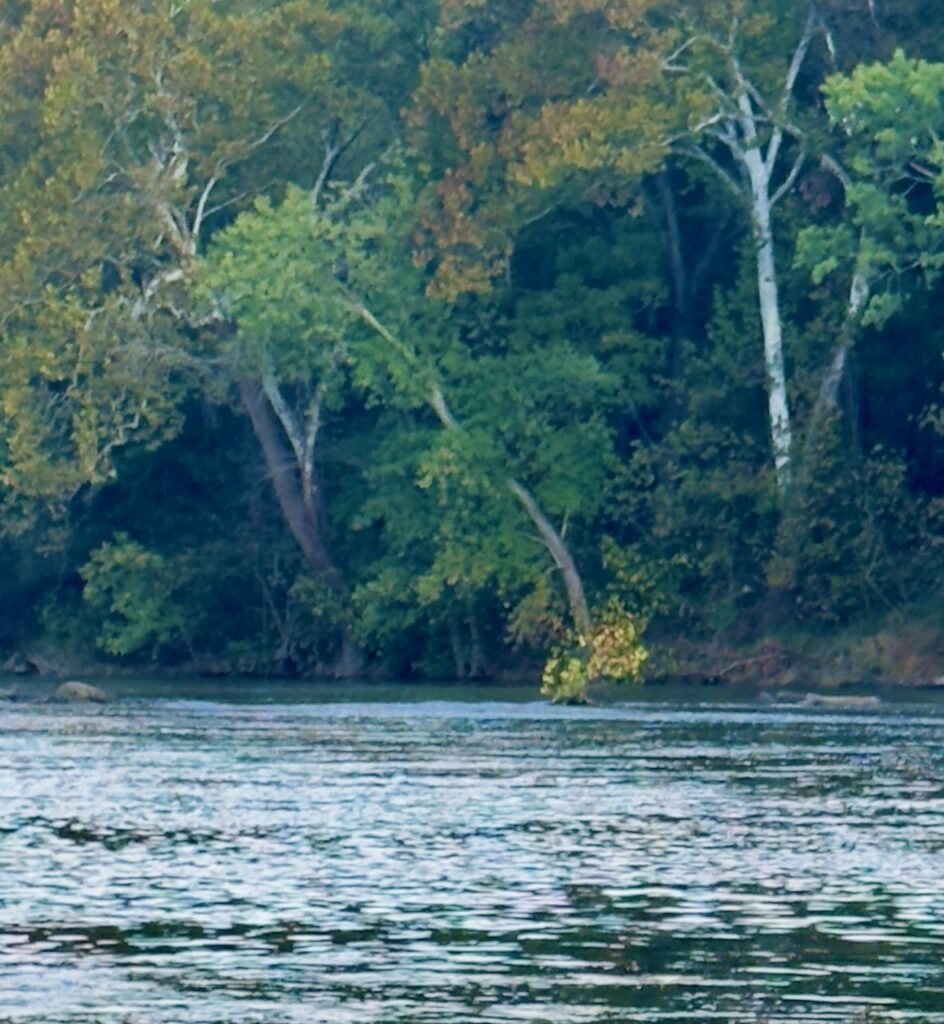
    Nature caught me by surprise this morning, as it tends to do. While I was in Maine for a long weekend, nearly two inches of rain fell across the Eastern Panhandle of West Virginia. When I returned to Shannondale Springs near Harpers Ferry, I found the Shenandoah higher than I’d ever seen it. The water had reached the boulder where I usually sit and wait, and the rock ledge where Great Blue Herons and Great Egrets hunt for fish was submerged, with only a small tree visible above it. The high water changed my usual approach to photographing birds. Rather than starting with a fairly neutral exposure and adjusting quickly as birds moved between backgrounds, I set my exposure for birds against the sky and was able to leave the settings alone. I came away with a couple of keepers. I’ll give the river time to settle before returning.